
Owner vs Tenant Responsibilities in the UAE: Who Pays for What?
The definitive split of repair, maintenance, and service-charge liability under Dubai's Law No. 26 of 2007 — with real examples from Downtown, Marina, and JVC towers.

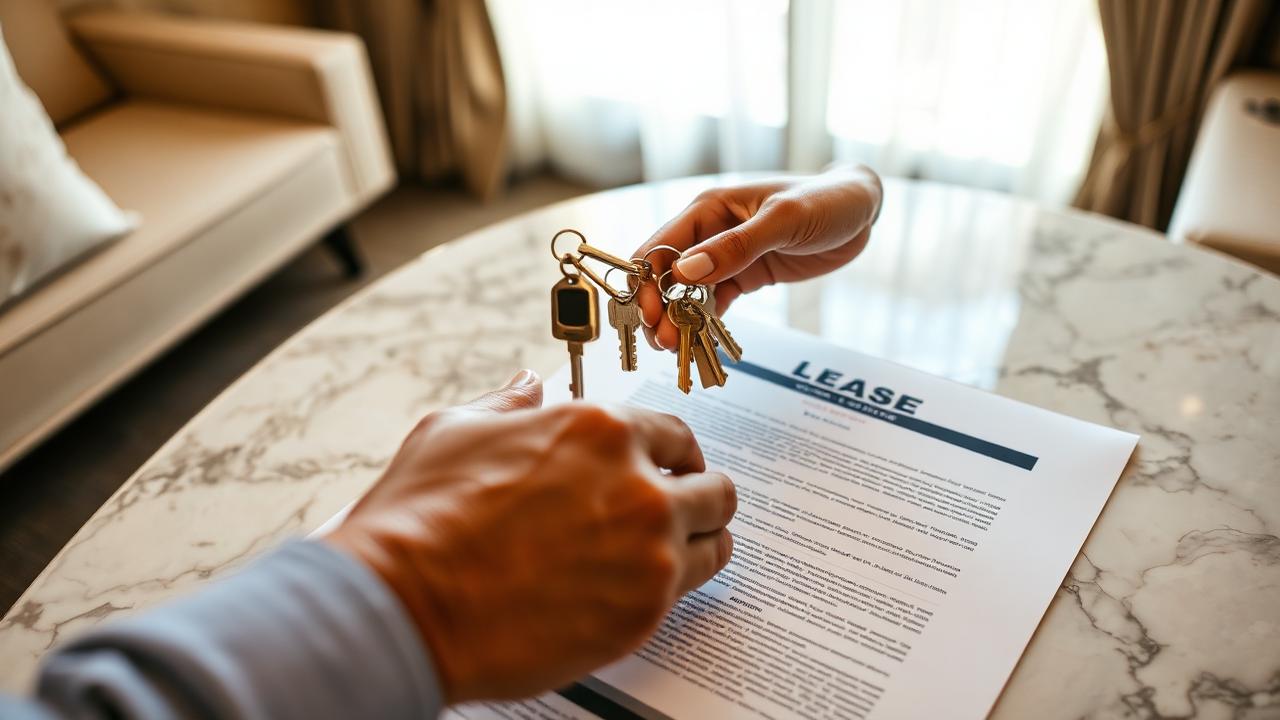
Ninety percent of landlord–tenant disputes in Dubai come from one question: who pays for this repair? The AC compressor blows, the water heater fails, or the neighbour's leak damages your ceiling — and suddenly a WhatsApp chain starts about liability. This guide gives you the definitive split under UAE law, plus the gray zones and how well-run buildings resolve them.
- The default under Dubai Law No. 26 of 2007: landlord maintains, tenant occupies responsibly.
- Structural, MEP, chiller, major appliances, and service charge are always the owner's.
- Consumables, minor repairs under AED 500–1,000, and misuse damage are the tenant's.
- Neighbour-caused leaks go to the neighbour's insurance, then the OA's building insurance — never the tenant.
- A cost-approval workflow with landlord sign-off before work is booked prevents most disputes.
1. The legal baseline in Dubai
Dubai Law No. 26 of 2007 (as amended by Law No. 33 of 2008) sets the default: the landlord is responsible for keeping the unit in a habitable condition, and the tenant is responsible for occupying it responsibly. Any Ejari addendum that flips this — for example, making the tenant pay for the chiller repair — has to be explicitly agreed in writing, and even then some provisions are unenforceable.
2. Owner-paid by default
The following costs sit with the landlord no matter what the Ejari says. Trying to push them onto the tenant is unenforceable.
- Structural repairs — walls, floors, ceilings, load-bearing elements.
- Waterproofing and façade repairs.
- Central AC, chillers, MEP risers, and building-level plumbing.
- Major appliances included in the lease (fridge, oven, washing machine) that fail through normal use.
- Building-level pest control.
- The annual service charge — this always belongs to the owner, not the tenant.
3. Tenant-paid by default
The following are the tenant's responsibility under most Ejari contracts in Dubai, subject to the standard AED 500–1,000 minor-repair cap.
- Minor repairs under the contractual cap (typically AED 500–1,000 per incident).
- Consumables — bulbs, remote batteries, AC filters, tap washers.
- Damage caused by misuse or by unauthorised alterations.
- In-unit pest treatment triggered by tenant behaviour (food waste, cluttered storage).
- Utilities: DEWA, district cooling, internet, cleaning.
4. The gray zones — and how to resolve them
Water leaks from a neighbour's unit
The cost of drying, repairing, and repainting is usually recovered from the neighbour's insurance. If they're uninsured, the OA's building insurance kicks in for common-area damage. The tenant should never pay for a leak they didn't cause.
Appliance failure inside vs outside warranty
If the appliance is in the lease and inside warranty, the landlord uses the warranty. Outside warranty, the landlord pays for repair or replacement — unless the tenant caused the failure (e.g. voided the warranty through misuse).
AC compressor vs AC filter
The compressor is a major MEP component — landlord. The filter is a consumable — tenant. Coil cleaning at move-out is typically the tenant's cost as per the Ejari.
5. The cost-approval workflow that prevents disputes
In a well-run Dubai tower, every repair over the tenant's contractual cap follows the same workflow: technician diagnoses, generates a quote, the property manager routes it to the landlord for approval, the landlord approves in-app, the work is done, the invoice is split correctly, and everyone signs off with photos. No WhatsApp, no ambiguity.
6. Special cases in Dubai buildings
- Fit-out damage from a previous tenant: owner's responsibility.
- Access cards lost by the tenant: tenant pays the replacement fee.
- Fire alarm activated by cooking smoke: no charge unless the OA proves misuse.
- Damage during move-in / move-out: whoever booked the lift is liable per the OA move-in NOC.
- Parking violations by the tenant's guests: tenant is on the hook per the OA regulations.
7. How TowerDesk resolves cost disputes automatically
TowerDesk's cost-approval flow enforces the split by default. Every repair over the tenant's cap goes to the landlord for in-app approval before any work is booked. The invoice is split line-by-line, the tenant and owner both sign off, and the whole chain — quote, approval, technician photos, invoice — lives on the unit's history. When the same fault recurs at move-out or resale, the record is already there.
Frequently asked questions
Who pays for AC repairs — landlord or tenant in Dubai?
Central chiller and MEP work is the landlord's. Filter changes and remote-control replacements are the tenant's. Compressor failure on a split unit provided with the flat is usually the landlord's unless the tenant caused it.
Are minor repairs really the tenant's responsibility?
Under Dubai Law No. 26 of 2007, minor day-to-day repairs are the tenant's unless the contract shifts them to the landlord. Most Ejari contracts cap the tenant's exposure at AED 500 to 1,000 per incident.
Who pays the service charge — landlord or tenant?
Service charges are always the owner's obligation under Dubai law. A landlord cannot pass the annual service charge onto the tenant, even by contract.
What if the leak comes from a neighbour's unit?
The cost is recovered from the neighbour's insurance. If they're uninsured, the OA's building insurance covers common-area damage. The tenant should never pay for a leak they didn't cause.
Who pays for pest control?
Building-level periodic pest control is the OA / owner's cost. In-unit pest issues caused by tenant behaviour (food waste, cluttered storage) are the tenant's cost.
See TowerDesk in your building
A 30-minute walkthrough on your own portfolio, with RERA, Mollak, Ejari, and DEWA workflows built in.
Book a demoKeep reading
BackA plain-English breakdown of Mollak service-charge invoices, master vs sub-community fees, and how to spot overcharging on your annual statement.
What Dubai owners actually pay for on the annual Mollak service-charge invoice — cost centres, benchmarks, red flags, and how to reduce them.
The 90-second Mollak decoder — what every code, cost centre, and reserve-fund line on your Dubai OA invoice actually means.