
Tenant Rights in Dubai: The Complete 2026 Guide Under UAE Law
Every right a Dubai tenant has under Law No. 26 of 2007 — rent caps, notice periods, repair obligations, eviction protections, and the RDSC safety net.

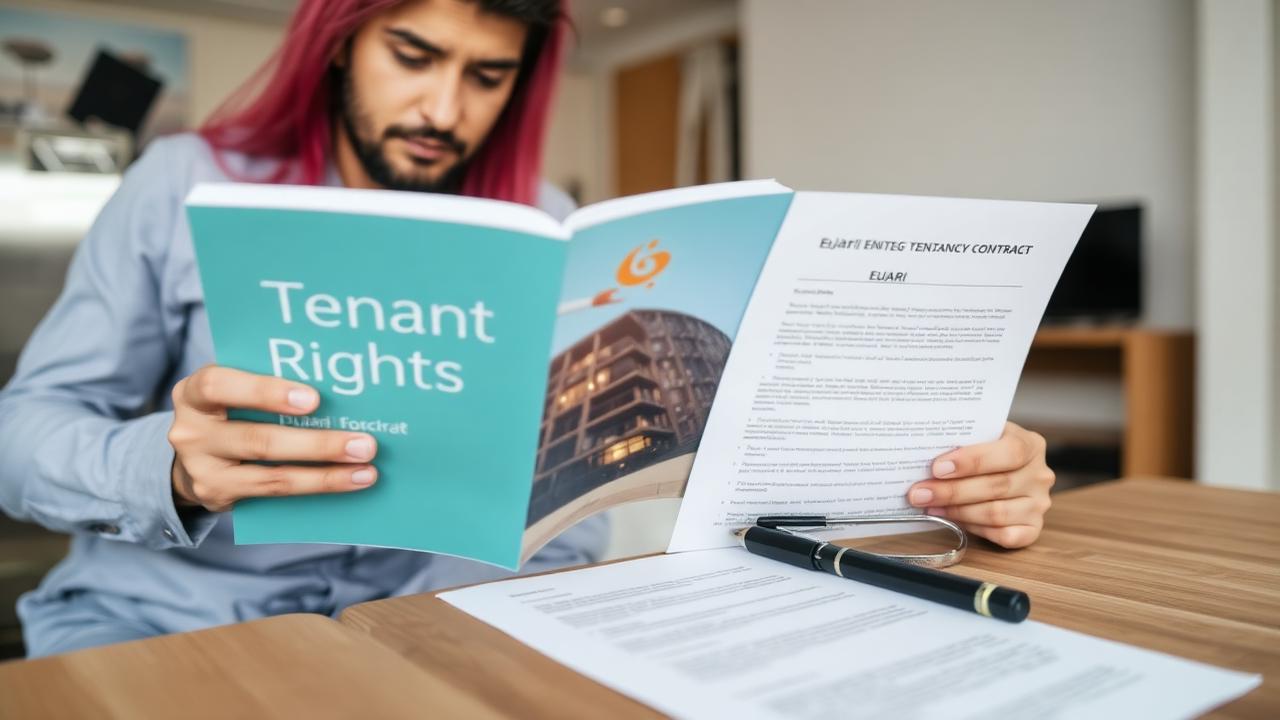
Tenant law in Dubai is codified in Law No. 26 of 2007 (amended by Law No. 33 of 2008), and it's more tenant-friendly than most residents realise. This guide covers every right you have — the rent-increase cap, the 90-day notice, the 12-month eviction notice, habitability standards, and the exact paths to enforce each one.
- Tenant law in Dubai is Law No. 26 of 2007 — the framework is genuinely tenant-friendly.
- Rent increases are capped by the RERA Rental Index; no increase within 10% of market.
- Non-renewal requires 90 days' notice; eviction requires 12 months' notarised notice.
- Landlord cannot deduct fair wear and tear, repainting, cleaning, or service charge from deposit.
- Every right is enforceable at RDSC for a 3.5% filing fee, typically in under 45 days.
1. The right to a valid tenancy contract (Ejari)
Every tenancy in Dubai must be registered in Ejari within 30 days of signing. The landlord is legally obligated to register it. Without a valid Ejari you cannot access DEWA disputes, RDSC protection, or visa renewals — so if your landlord delays, register it yourself and deduct the fee.
2. The right to a capped rent increase
Rent increases follow the RERA Rental Index. If current rent is within 10% of market, no increase is allowed. Between 11–20% below market: max 5%. Between 21–30% below: max 10%. Between 31–40% below: max 15%. Over 40% below: max 20%. The landlord must give 90 days' written notice of any increase.
3. The right to 90-day non-renewal notice
If either party wants to change terms or not renew at the anniversary, they must serve 90 days' written notice. Without valid notice, the contract auto-renews at the same terms.
4. The right to 12-month eviction notice
A landlord can only evict for four legal reasons: (1) landlord or a first-degree relative moves in, (2) sale of the property, (3) demolition or major renovation, (4) tenant breach. All require notarised 12-month written notice — and the property cannot be re-rented for 2 years after eviction under reasons 1 or 2.
5. The right to a habitable unit
The landlord is responsible for structural integrity, working MEP, functional major appliances included in the lease, and legally-compliant fire safety. Failure to maintain habitability can be enforced at RDSC or trigger a rent-reduction claim.
6. The right to fair security deposit treatment
Landlords cannot deduct for fair wear and tear, general repainting, standard cleaning, or the annual service charge. Photo evidence at move-in and move-out is the decisive factor in disputes.
7. The right to privacy
Landlords cannot enter the unit without prior written consent (24-hour notice minimum) except in genuine emergencies (fire, active leak, gas). Unannounced entry is a breach that can be reported to RDSC.
8. The right to RDSC enforcement
Every right above is enforceable at the Rental Dispute Settlement Centre. Most disputes resolve in under 45 days with a 3.5% filing fee. No lawyer required.
Frequently asked questions
What are my rights as a tenant in Dubai?
You have the right to a valid Ejari, capped rent increases per the RERA index, 90-day non-renewal notice, 12-month notarised eviction notice, a habitable unit, fair deposit treatment, and privacy from unannounced entry. All are enforceable at RDSC.
Can my landlord increase rent without notice?
No. Any rent increase requires 90 days' written notice before renewal, and the amount is capped by the RERA Rental Index. Increases without valid notice or above the cap can be voided at RDSC.
Can my landlord evict me for any reason?
No. Only four legal reasons allow eviction: landlord/relative moving in, sale of the property, demolition/major renovation, or tenant breach. All require notarised 12-month written notice served through a notary.
What if my landlord refuses to fix something in the flat?
For habitability issues (no AC in summer, active leaks, no water) file at RDSC for a repair order and potential rent reduction. Non-habitability issues follow the standard maintenance escalation ladder.
Do I need a lawyer to enforce my tenant rights?
No. RDSC is accessible without legal representation — cases under AED 100,000 are routinely self-represented and judges guide both sides through the process.
See TowerDesk in your building
A 30-minute walkthrough on your own portfolio, with RERA, Mollak, Ejari, and DEWA workflows built in.
Book a demoKeep reading
BackThe fastest way to log an AC, plumbing, or electrical issue in your Dubai apartment — and what your property manager should do next under RERA service standards.
DEWA final bill, Ejari cancellation, chiller clearance, and the exact snag-list your property manager will use — one printable list.
Get your 5% security deposit back in full — what counts as fair wear and tear, how to fight unfair deductions, and the RDSC path if they refuse.